
Choosing a primary school is a big decision, and families approach it in very different ways. Location matters. So do fees, class sizes, facilities, academic programs, before and after-school care, and where children might eventually go to high school.
But there is another part of the decision that can be harder to pin down. Does the way a school thinks about children, learning and childhood fit with the things your family values?
Most schools now use similar language. You will hear about play-based learning, nature, wellbeing, student agency, project-based learning, community and academic rigour. These are all worthwhile things, but the words themselves don’t necessarily tell you what everyday life at a school is actually like.
If something is important to your family, it is worth asking what it looks like in practice.
If a school says it values nature, how much time do children actually spend outdoors? If it promotes student voice, when and how are children heard? If children are known as individuals, what does that mean in a classroom of real children with different personalities, interests and needs?
Looking beyond the buzzwords can tell you a great deal.
What does the school believe a good primary education should include?
Every school makes choices about how children spend their time. When you visit, ask about the balance between explicit teaching, independent work, play, creativity, movement, discussion, collaboration and learning outdoors.
At Moerlina, we believe children need a rich mixture of these experiences. They learn to read, write and work mathematically, but they also build, create, investigate, discuss, perform, solve problems and spend significant time learning outside the classroom.
Our Bush School is one example. Nature-based learning doesn’t mean occasional lessons in the garden. Children regularly travel to natural bushland where they build, explore, play, learn practical skills, investigate the environment and work together. Our older children also participate in Beach School. Our younger children spend time being ‘nature’s adventurers’.
The important question isn’t whether another school does these particular things. It is whether what a school says is important can be seen, touched and felt in the way children spend their days.
Will my child be able to be themselves here?
Children don’t leave their personalities and interests at the school gate, and we wouldn’t want them to.
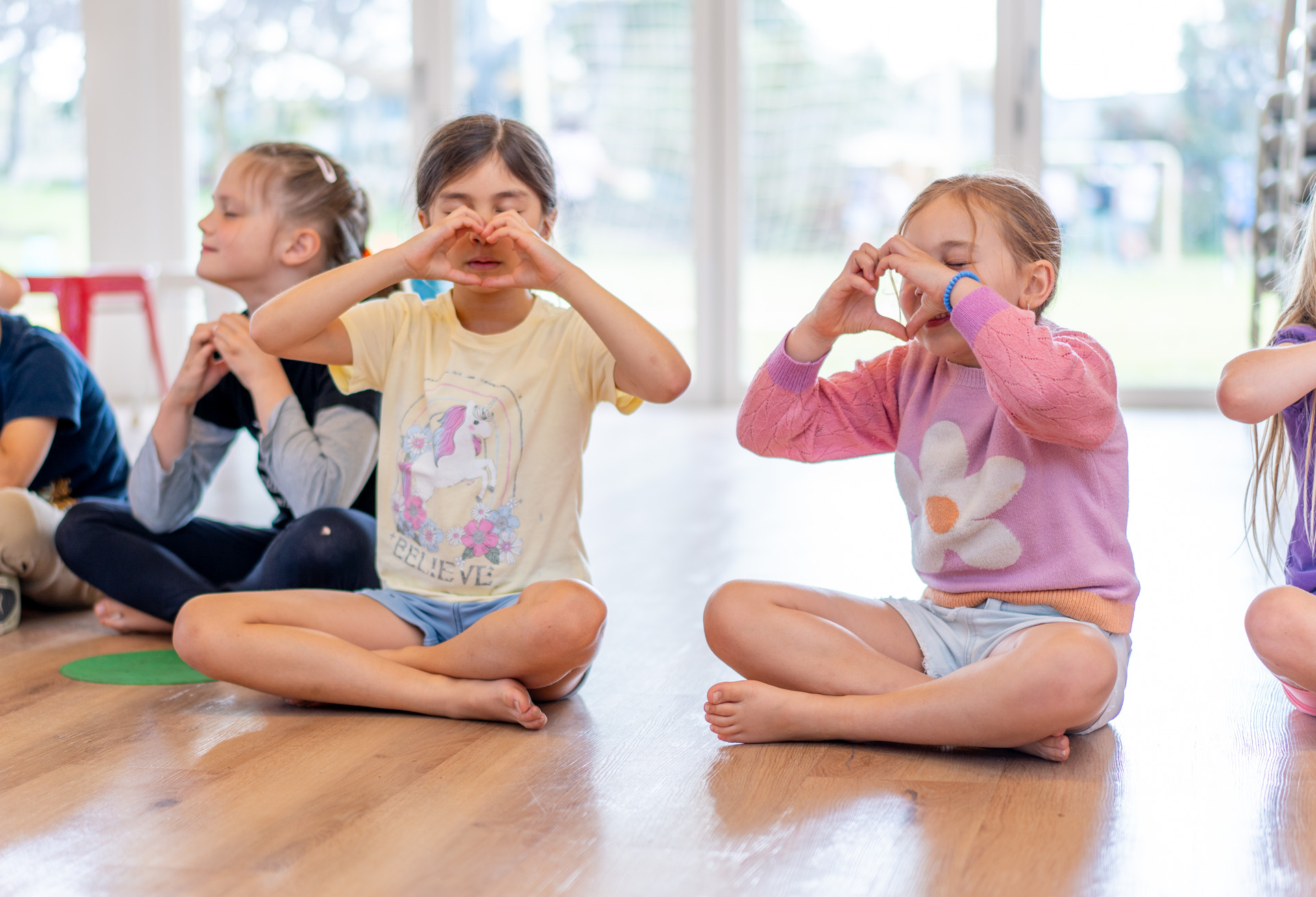
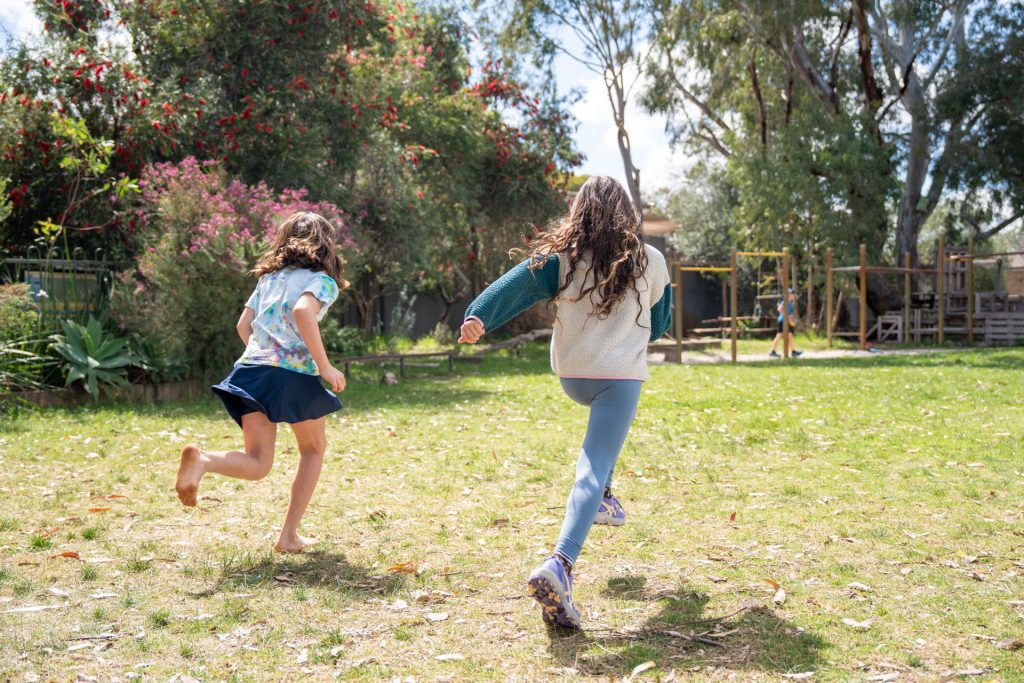
At Moerlina, children wear their own clothes, choosing things that are comfortable and feel like them. They are often barefoot, although shoes are kept in bags for the adventures that require them. Everyone interacts on a first-names basis – parents, staff and children.
Children bring their interests with them too. A rock, fossil, gemstone, bug catcher, toy, favourite book or special AFL jersey can become the starting point for a conversation or sometimes lead learning somewhere unexpected.
Our multi-age structure also means children are used to being with different age groups. They visit friends and teachers in other classes, spend time together around the school and know people beyond their immediate classroom.
None of these things is particularly complicated. Together, though, they help create a place where children can feel known and comfortable being themselves.
How much space is there for children's thinking?
Student voice is another phrase worth looking behind for depth.
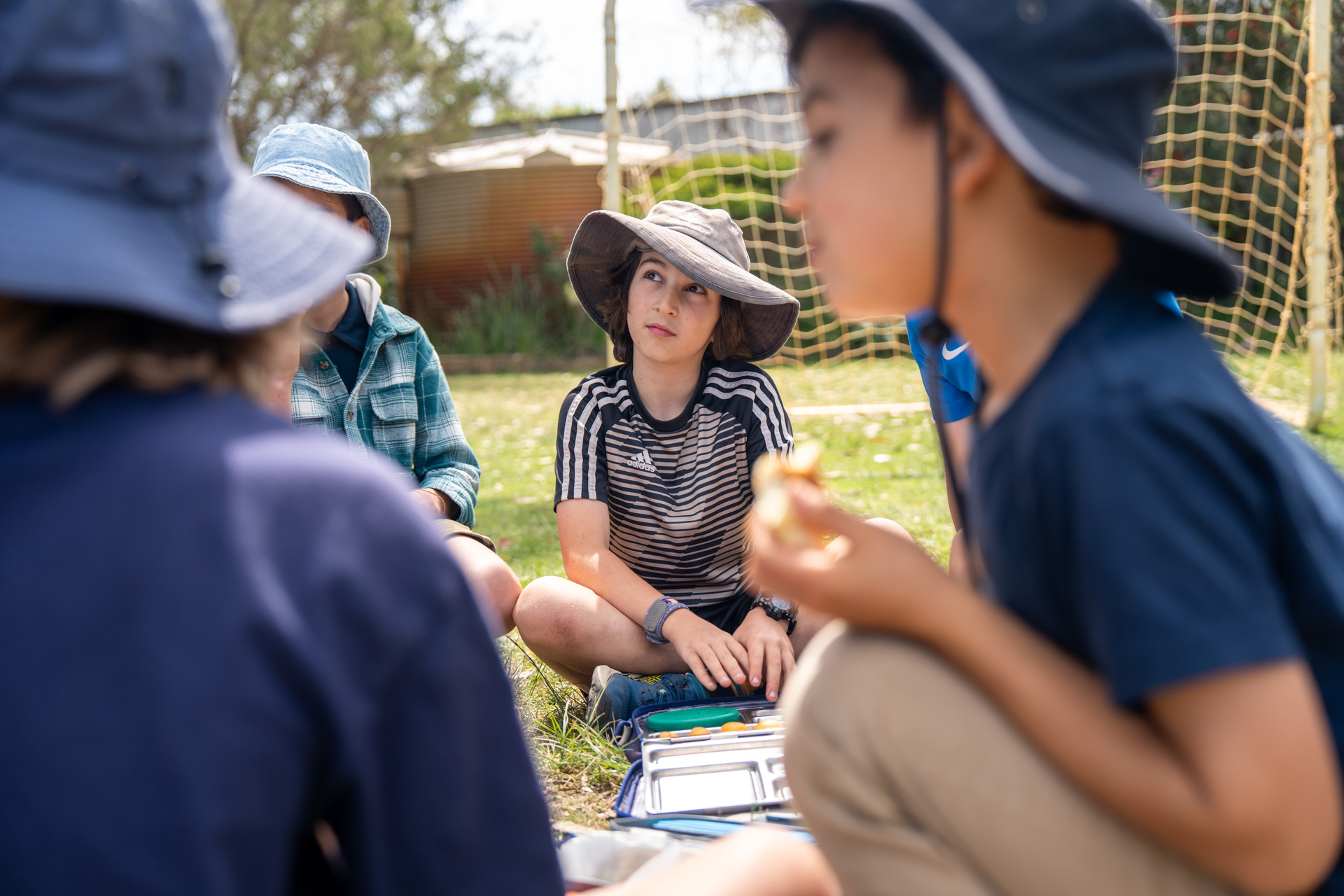
At Moerlina, children lead our whole-school meeting each week, raising and discussing things that matter to them and the wider school community. Each classroom also begins the day with time to connect. In our older classes this is Wishing Circle; in other rooms it may be a class chat or meeting. Children share news, check in with one another, talk through the day ahead and settle into the day together.
Discussion is also a vital part of learning.
Our classes make regular use of brainstorming, group thinking, collaboration and conversation, particularly when working on projects and big-picture ideas. Our approach includes Phenomenon-based learning, where children explore an idea or real-world phenomenon from different perspectives rather than always encountering learning as separate subjects and predetermined tasks.
Children ask questions, contribute what they already know, hear different perspectives and make connections. Teachers still teach, guide and bring their knowledge and expertise, but children must take an active part in the thinking.
When visiting a school, listen to the conversations. Are children comfortable talking with adults? Can they ask questions, contribute ideas and respectfully disagree? Are teachers interested in what children think?
What happens when things go wrong?
This is worth asking because things will occasionally go wrong in every school.
Children disagree. Friendships become complicated. Someone makes a poor choice. Parents and teachers may see a situation differently.
At Moerlina, we aim to deal with these moments calmly, respectfully and professionally. Our approach is supported by clear policies and practices around conflict resolution, codes of conduct, respectful relationships and restorative practice.
Clear expectations and boundaries matter, but so does helping children understand what happened, listening to others, repairing relationships where possible and move forward.
Sometimes you learn more about a school’s values by asking how it handles a difficult day than by asking about its best one.
Spend some time there
Finally, visit the school if you can.
Look beyond the facilities and displays and notice ordinary interactions. How do adults speak to children? How do children speak to one another? Do people seem to know each other? Does the atmosphere feel comfortable, respectful and purposeful?
Visitors and trial families at Moerlina often comment on the kindness and friendliness they notice, and on the polite, respectful way children and adults interact. We value those observations because they are about the everyday culture of the school rather than a particular program.
No school will perfectly match every family value, and no list of educational buzzwords can tell you whether a school is the right fit.
Ask questions. Look beneath the language. Spend some time in the school and see whether what it says it values is visible in everyday practice. That is usually where the useful answers are.
At Moerlina, we also offer families the opportunity to experience school life firsthand through a two-week trial before enrolling. Children join their prospective class, take part in everyday learning and activities, and begin getting to know the people and routines that make up our school community. It gives children and parents time to see how Moerlina feels in practice, while allowing us to get to know your child and family too. Just as importantly, it gives us the opportunity to consider whether our approach, expectations and values are a good fit with your family, from the school’s perspective. After all, a successful school experience is built on shared understanding and trust, and the trial gives everyone a chance to explore that before making a commitment.
Other stories from Moerlina School
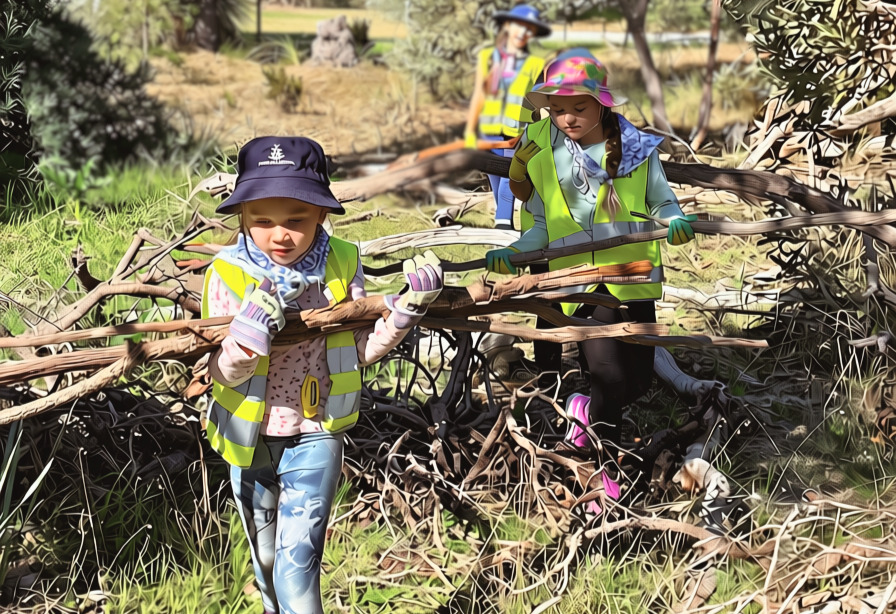
What Does a Day at Bush School Actually Look Like?
There is a great deal of learning happening at Bush School, but it doesn't necessarily arrive neatly divided into subjects. The bush also presents questions we couldn't necessarily have planned back at school. There is time to wonder, experiment, make mistakes, change plans and try again.
Making the Transition Gentle
Changing schools can feel enormous when you are the parent making the decision. Understanding that difference can help make a school transition much gentler.
When to Change Schools
Changing schools is a significant decision. Before making it, it helps to slow the process down and ask some practical questions.