
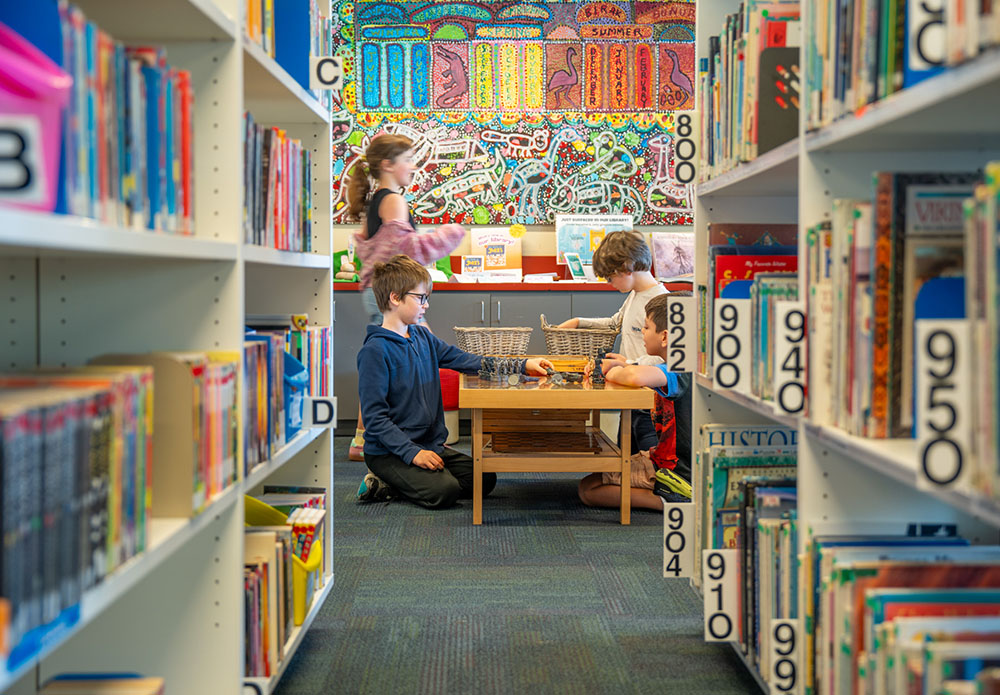
Academic rigour | progressive thinking
Moerlina follows the Western Australian Curriculum, with Early Years practices aligned with the Early Years Learning Framework. We combine academic rigour with progressive approaches to teaching and learning. We also know that the way learning is structured and delivered is critical to deep learning. Our classrooms, teaching practices, and learning experiences are designed to respond to individual needs and bring the curriculum to life through meaningful, real-world experiences.
Learning at the right level
Children develop at different rates, with different strengths, interests, and areas for growth. One of Moerlina’s greatest strenghts is that learning is responsive to the individual child rather than determined solely by age or year level. Students can be extended beyond expected levels when they are ready, or given additional support when they need it. This ensures children can be appropriately challenged, supported to progress, and able to develop with confidence.
Small classes
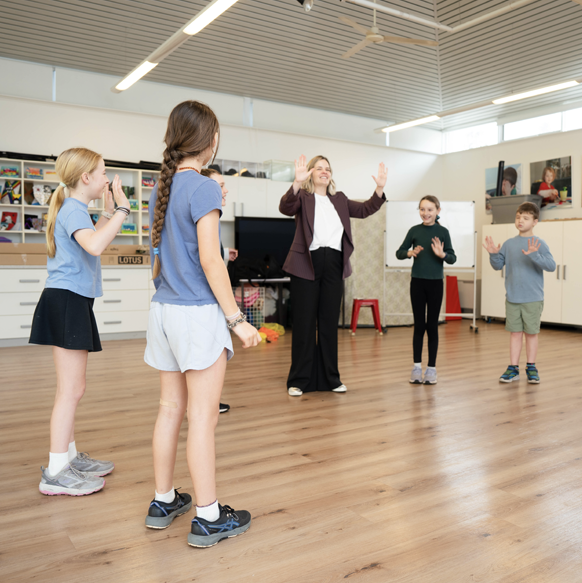
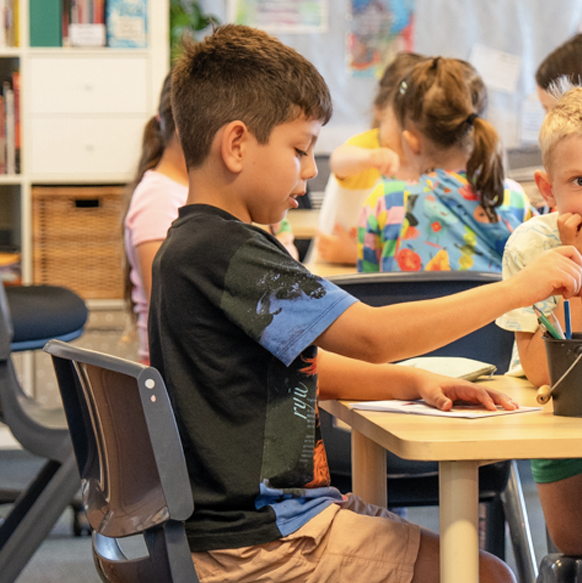
Small classes and low student–educator ratios matter. This small but significant difference contributes to the calm rhythm of the school and gives educators the time and space to know each child well. Educators are not stretched too thin, so they can respond to individual needs, provide appropriate extension, and offer additional support when needed. Children receive more individual attention, while educators have the capacity to focus on teaching and build strong relationships.
MULTI AGE LEARNING
Our multi-age classrooms reflect the real world, where people learn, work, and collaborate alongside others of different ages, abilities and perspectives. Children build relationships across year levels, with older students developing leadership, responsibility, and confidence while younger students learn with and from one another, develop empathy and independence, and experience a strong sense of belonging.
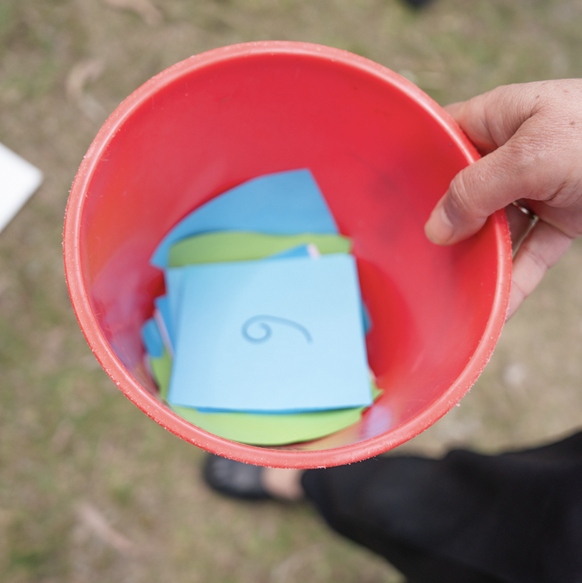
PROBLEM SOLVING
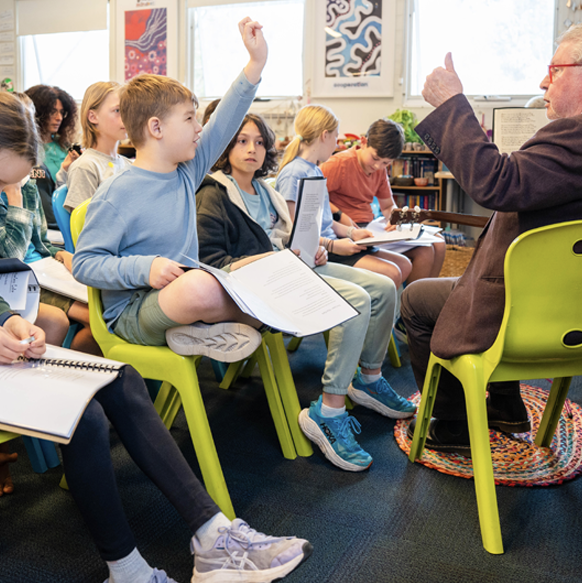
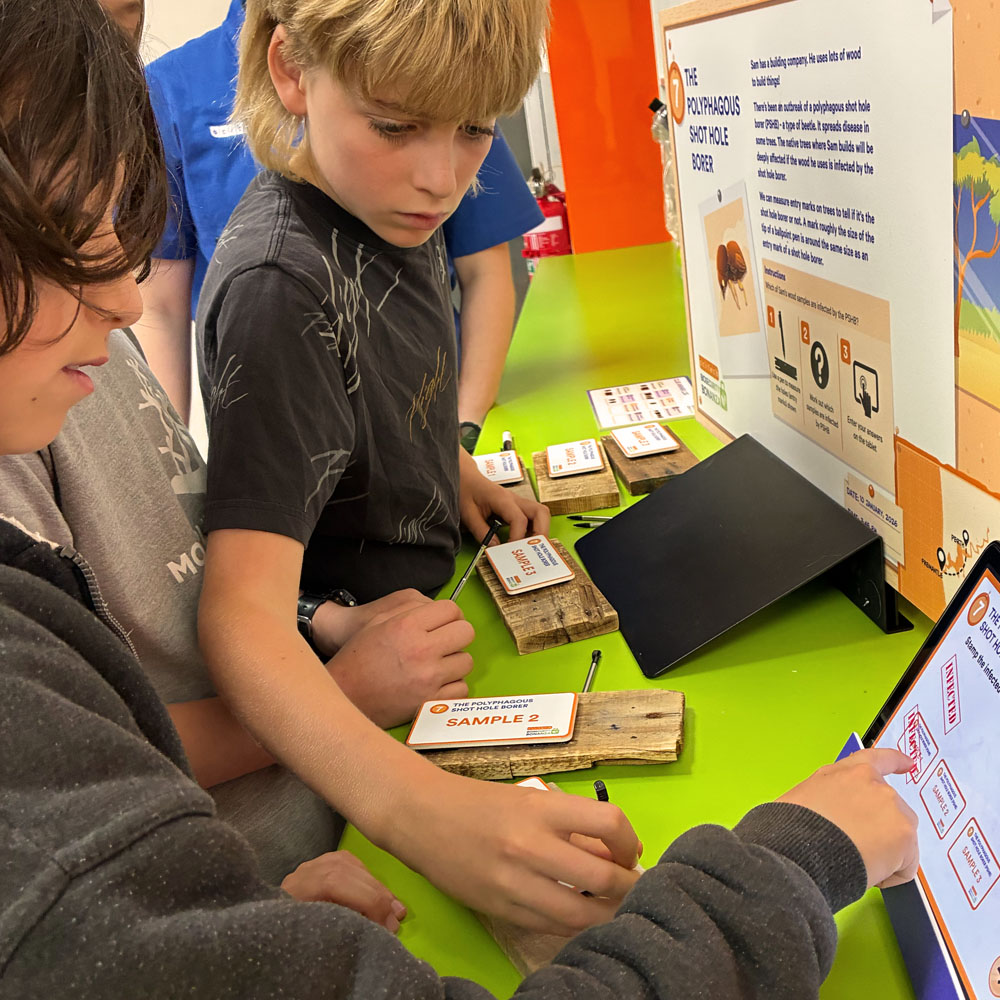
The ability to think deeply matters in a rapidly changing world. At Moerlina, children question, investigate, experiment, and approach problems from different perspectives. They develop flexible and creative ways of thinking, learning to adapt when answers are not obvious and apply what they know in new contexts. Through inquiry and collaboration, students become resourceful independent learners who can solve problems, think critically and respond to complexity.
ACTIVE CITIZENSHIP
Learning extends beyond individual subjects to help children understand how ideas, people, places, and systems connect. Children develop empathy, ethical awareness, and respect for different people, cultures, perspectives, and environments. They are encouraged to consider their impact, contribute positively, and use what they learn to make a meaningful difference in their communities and the wider world.

“Each educational theory offers insights for our practice at Moerlina. Reggio Emilia values children as powerful researchers, with agency and voice. Nature-based schools in the UK value the natural world as a dynamic and powerful educator – not merely as background, but an active educator itself in children’s construction of knowledge and interconnectedness. Finland offers an empowered education system, where teachers are trusted and expected to lead practice professionally and creatively, with autonomy and agency. Moerlina takes all these insights and places them at the heart of its pedagogy and practice.”
Maria Marsh, Co-Principal Moerlina