
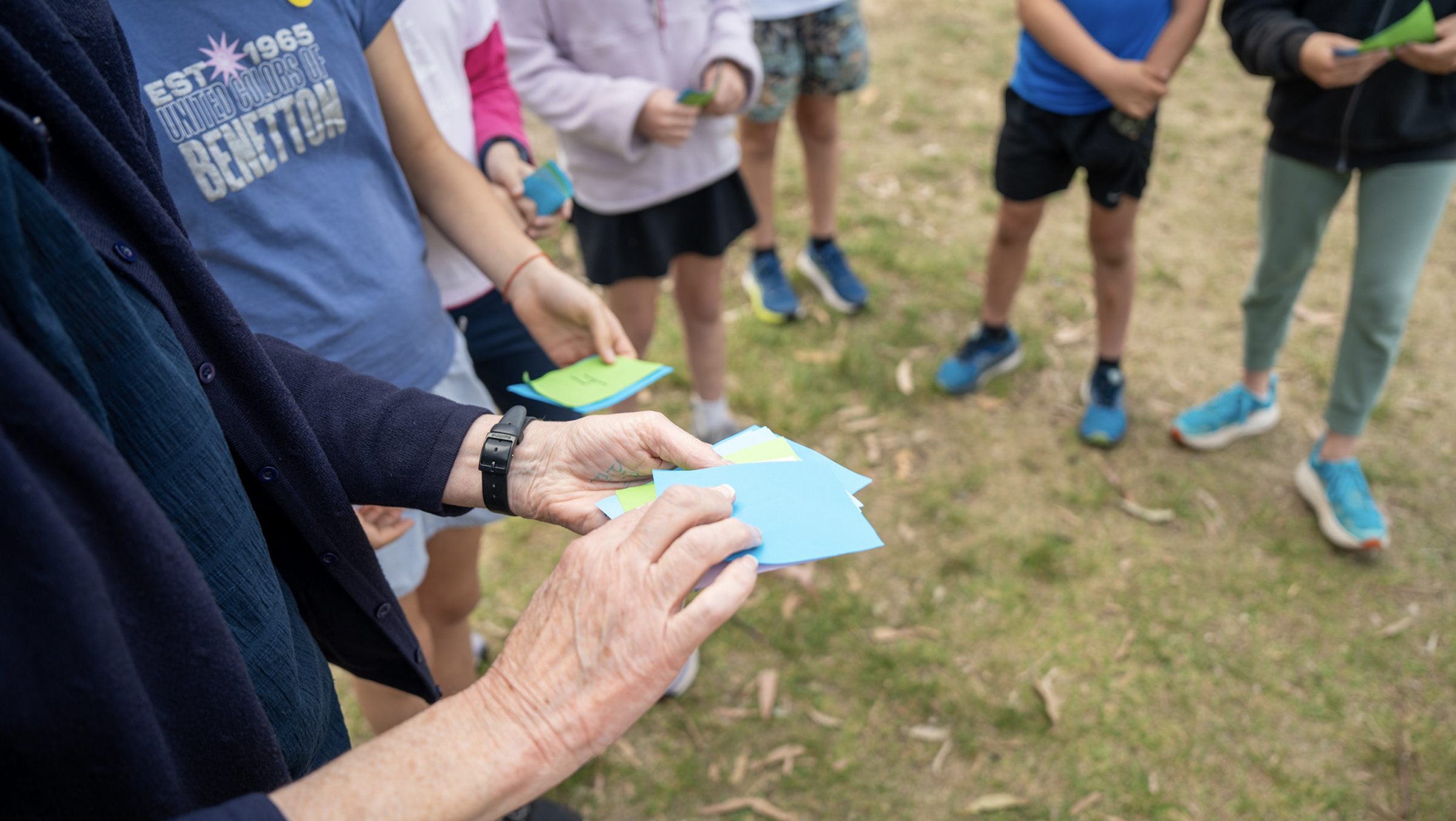
Curriculum Matters
There is sometimes a perception that progressive education means choosing one philosophy over another. At Moerlina, we see it differently.
Moerlina follows the Western Australian Curriculum and believes children need strong foundations across all areas of learning. But we also believe there is more than one way to bring that curriculum to life.
Rather than being bound to a single educational philosophy, Moerlina draws on ideas from a range of approaches, including Reggio Emilia, Forest schools, Montessori, Finnish and Nordic education and inquiry-based learning. We look at what different educational traditions can offer and consider what is most useful for our teachers and our students. It is less about choosing a label and more about asking a simple question:
What is the best way to help children learn?
Choosing what works
Educational philosophies can offer valuable ways of thinking about children, learning and the role of the teacher. But no single philosophy has all the answers.
Children are growing up in a rapidly changing world, and our understanding of how children learn continues to evolve too. For Moerlina, that makes it important to remain open to different ideas rather than being rigidly bound to one approach.
Some educational philosophies place greater emphasis on independence and agency; others on relationships, collaboration, inquiry, creativity or the learning environment. Each can offer useful perspectives. The opportunity to consider those ideas thoughtfully and use them in meaningful ways is central to Moerlina’s approach.
These approaches are not alternatives to the curriculum. They are different ways of thinking about how the curriculum can be taught well.
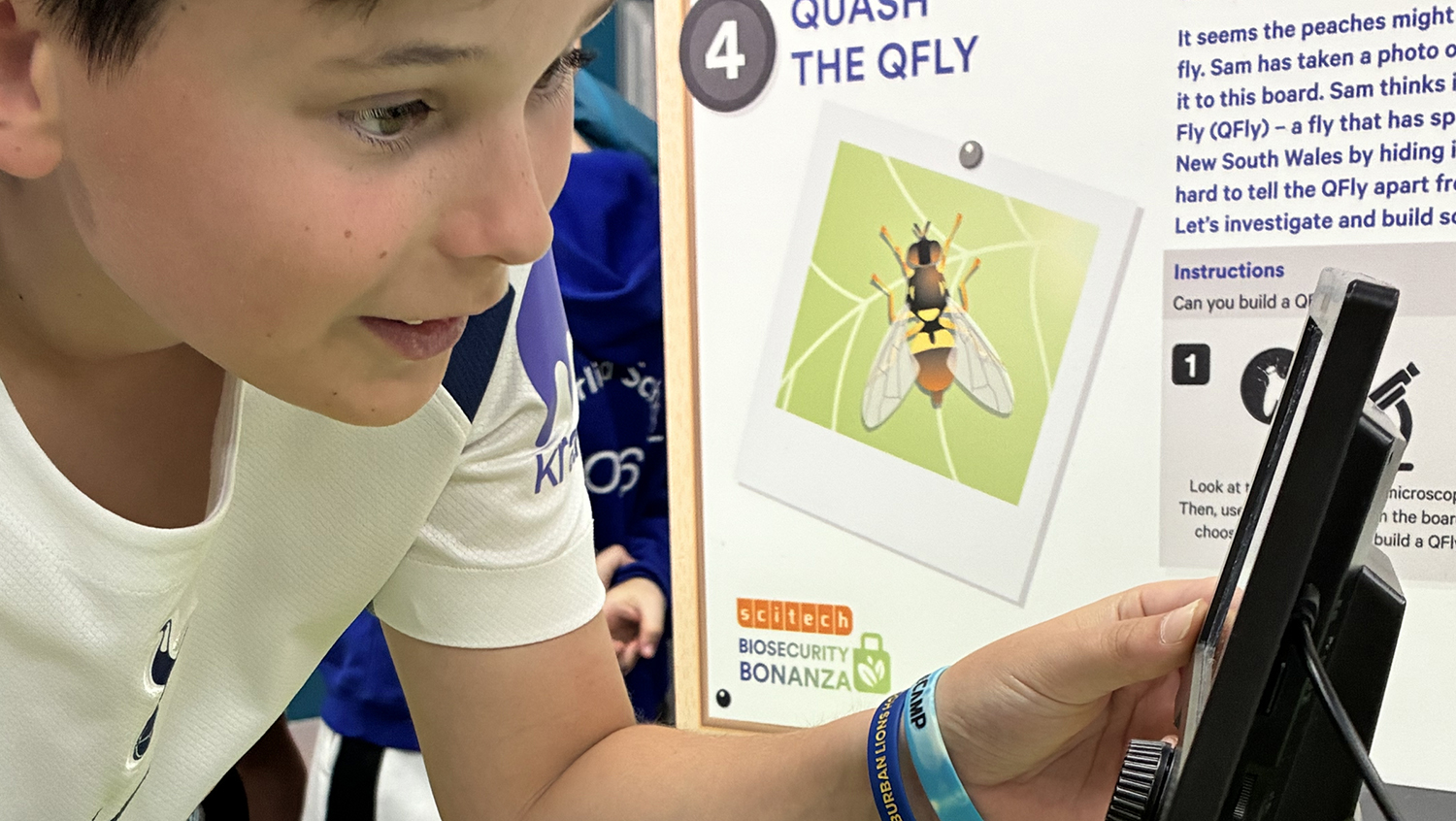
“I work at Moerlina because I feel trusted to take initiative, try new things and be myself as a teacher. I feel supported to think outside the box and enjoy finding ways to build on the children’s interests and make learning meaningful to them. Every child is different, and I think it is important that we have the freedom to try different approaches and give children the opportunity to learn in ways that work for them, and this is possible at Moerlina”
Machteld Irons, Teacher
Other stories from Moerlina School
Making the Transition Gentle
What makes a school feel like a school? And how do you describe the things that make a community feel like your community?
When to Change Schools
What makes a school feel like a school? And how do you describe the things that make a community feel like your community?

Known, Not Managed
What makes a school feel like a school? And how do you describe the things that make a community feel like your community?