
Contributing to the future of education
Moerlina is a future-focused school, deeply engaged with emerging thinking about what education needs to achieve — now and into the future. We explore, apply, contribute to and document research that can improve learning and wellbeing for children. Our work draws on national and international research, while testing ideas through everyday practice at Moerlina. We believe schools have a responsibility not only to learn from the broader educational community, but also to share what we discover to help shape better education for all.

Alice Springs (Mparntwe) education declaration
The Alice Springs (Mparntwe) Education Declaration provides an important foundation for Moerlina’s educational vision. Its commitment to a world-class education system places every student at the centre, recognising individual needs, wellbeing, resilience and every child’s right to flourish. At Moerlina, these principles inform how we think about curriculum, relationships, inclusion and the conditions children need to thrive. They underpin our commitment to seeing each child as an individual learner, with their own experiences, interests, strengths and potential.
What this looks like at Moerlina
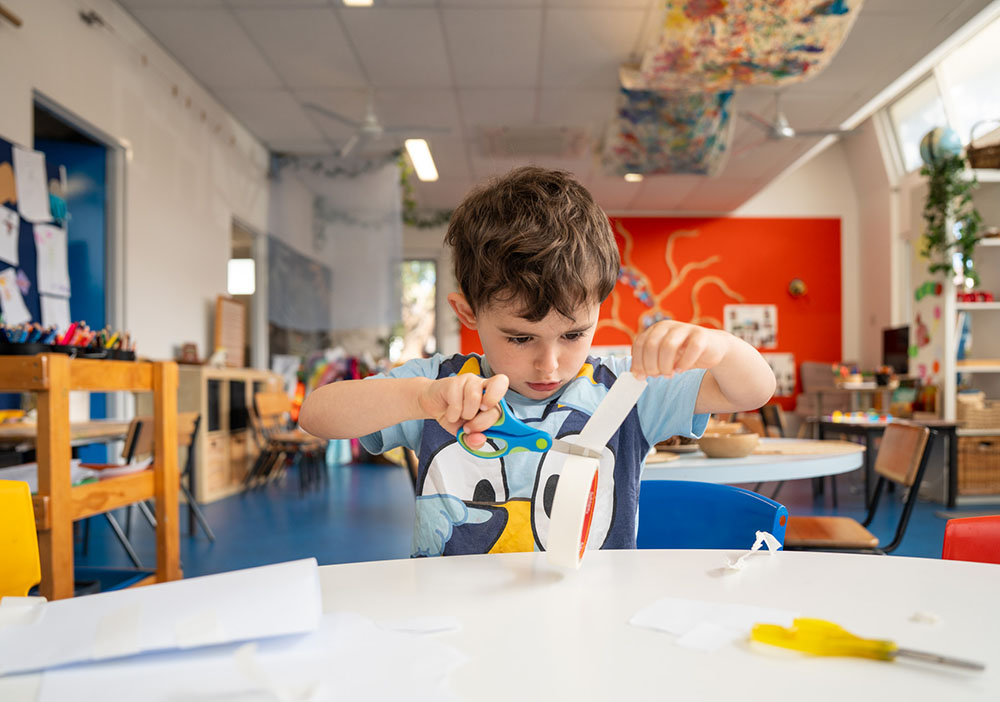
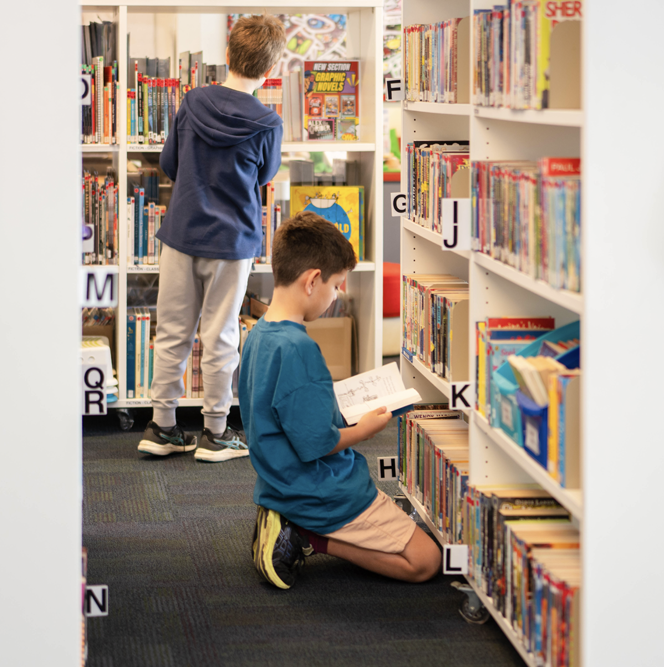
Quality literature and stories offer children opportunities to explore ideas, perspectives and experiences beyond their own. At Moerlina, children are given opportunities to immerse themselves in rich texts, making connections with their own lives while learning about others. This provides a strong foundation for the Western Australian Curriculum, particularly in English, the Arts and Humanities and Social Sciences, while supporting academic development alongside personal, social and cultural understanding.
OECD future of education and skills 2030/2040
The OECD’s Future of Education and Skills 2030/2040 work asks an important question: what knowledge, skills, attitudes and values will young people need to thrive in a rapidly changing world? This thinking informs Moerlina’s approach to learning. Alongside building knowledge, we consider how children learn to think, collaborate, create, communicate, make decisions and take increasing responsibility for their learning. We aim to develop strong foundations while building the capabilities children will need to navigate an uncertain and changing future.
What this looks like at Moerlina
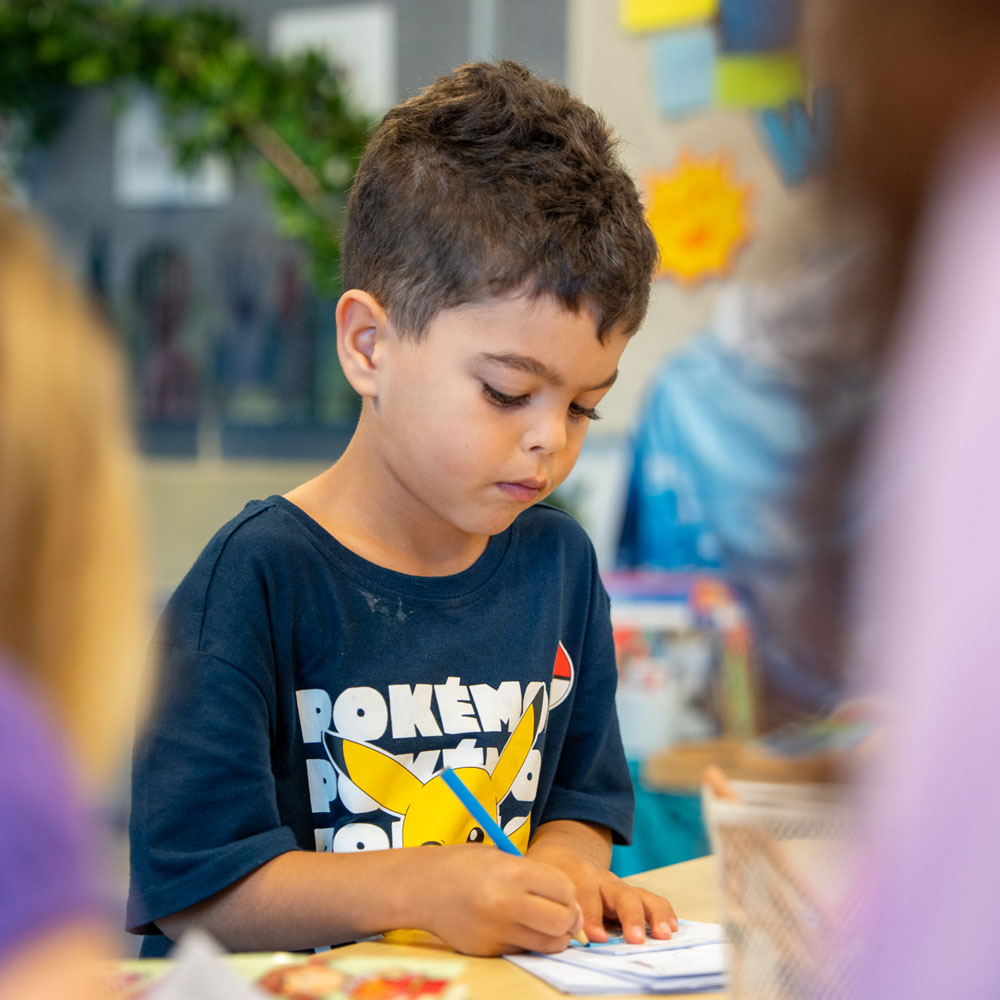
Children learn in different ways, so learning experiences are designed to include both individual and collaborative opportunities. Children might develop understanding independently, explore ideas with a partner or work as a group to investigate a question or solve a problem. By combining clear learning intentions and high expectations with varied ways to engage, we help children build knowledge, work with others and develop the flexibility to approach new challenges.
OECD education for human flourishing
Moerlina is exploring the OECD’s emerging work on Education for Human Flourishing and what it means to educate children not simply for academic success, but for a fulfilling and purposeful life. A particular focus is the role of character strengths — the qualities that influence how children engage with learning, with others and with the world. This thinking is informing how we describe and report on children’s learning, giving greater visibility to the personal qualities that support lifelong learning and flourishing.
What this looks like at Moerlina
We aim to grow adaptive problem-solvers who can apply what they have learned in one context to another, drawing on critical thinking, creativity and sound decision-making. Children are encouraged to consider different perspectives, discuss ethical questions and reflect on how their choices affect others. Through these experiences, they can learn to question assumptions, challenge prejudice and balance their own needs with the rights and wellbeing of others.
Education for thriving
Contemporary research increasingly asks education to look beyond academic achievement towards what it means for young people to genuinely thrive in a changing world. At Moerlina, we are exploring this broader view across four interconnected levels: the intrapersonal, interpersonal, societal and planetary. We translate this thinking into learning experiences that develop agency, critical thinking, collaboration, creativity and resilience. Project-based learning, entrepreneurship and authentic opportunities to engage with real-world challenges help children practise these capabilities and connect their learning to the world they will inherit.
What this looks like at Moerlina
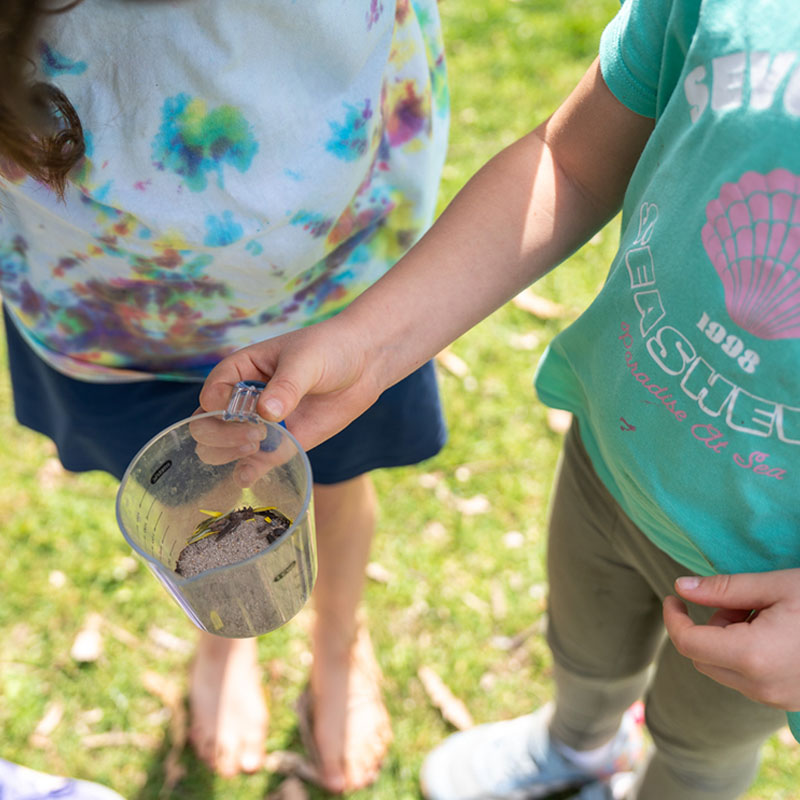
Children have opportunities to take an idea beyond the initial question: researching a problem, developing possible solutions, testing their thinking and sharing what they have learned. Working on meaningful projects helps children experience how knowledge and skills can be used in the real world. It also creates opportunities to take initiative, work through setbacks, consider the needs of others and recognise that their ideas and actions can make a difference.
WA curriculum
Moerlina is committed to academic rigour and follows the Western Australian Curriculum, drawing on contemporary research to explore how children learn best. While the curriculum defines what children need to learn, our pedagogy shapes how they experience that learning. We bring together evidence-informed approaches from inquiry-based learning, Reggio Emilia, Montessori and Finnish and Nordic education to create purposeful, active learning experiences that connect with children’s interests while building strong foundations in knowledge and skills.
What this looks like at Moerlina
Children’s interests and questions can inspire deeper investigation, guided by educators who connect exploration to curriculum goals. Through discussion, observation, research, creative work and practical problem-solving, children build knowledge, practise essential skills and make connections across learning areas. This combines purposeful teaching with opportunities for curiosity, agency and deeper understanding.
Supporting the Next Generation of Educators
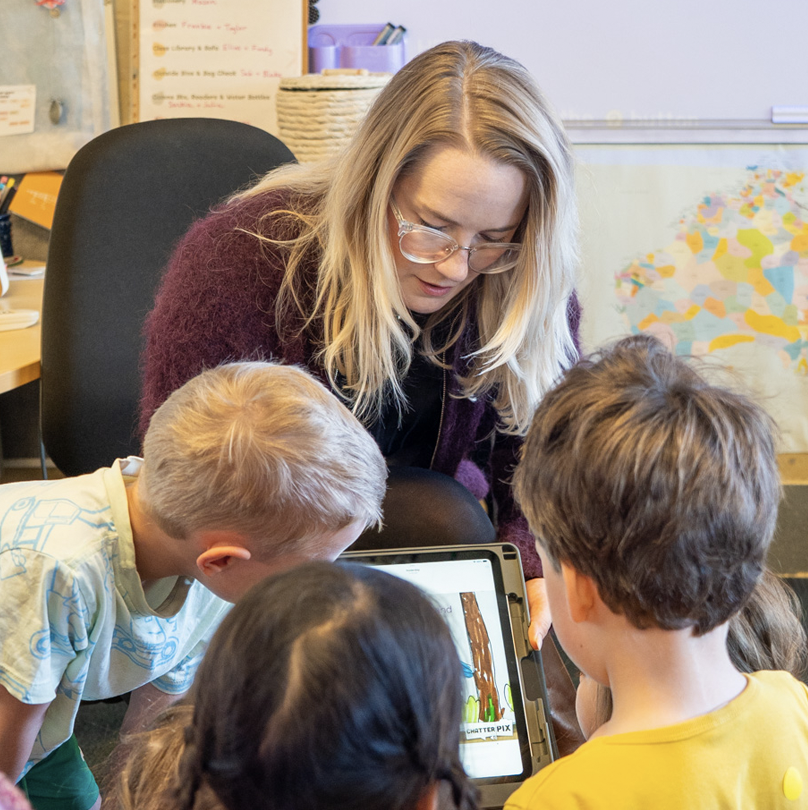
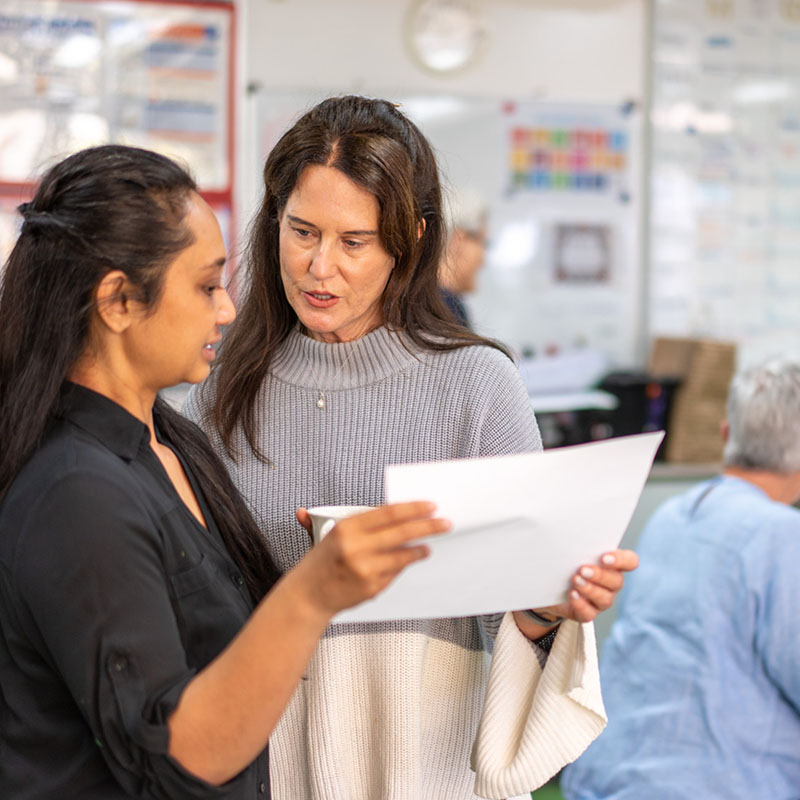
Moerlina believes that great education grows when educators learn with and from one another. We work with universities to provide education students with opportunities to observe, participate in and reflect on contemporary educational practice in a real school environment. Students from Edith Cowan University and The University of Western Australia undertake professional experience at Moerlina, gaining insight into our approach to teaching, learning and relationships. Their questions and perspectives also create opportunities for professional dialogue and reflection, helping us continue to examine and strengthen our own practice.
What this looks like at Moerlina
At Moerlina we know the power and impact of the teaching profession in giving opportunity to our children. The design of the learning opportunities is based on national and global policy initiatives. We are also keen to share our expertise with pre-service teachers and all practicing educators. We share generously through hosting network groups and contributing to state and national teaching and leadership associations. We take pride in being at the forefront of supporting all learners.

“We value being abreast of national and international policy initiatives designed to enhance learning for all children and young people. At Moerlina we are excited to design the best learning opportunities for our students.”
Ron Gorman, Co-Principal